


- What mycotoxins are and why they’re dangerous
- What types of mold in Florida are most likely to produce them
- Symptoms of exposure you should watch out for
- How our Daytona Beach team handles mold jobs involving mycotoxins
- What makes our remediation process different from competitors
- Stachybotrys (Black Mold)
- Aspergillus
- Penicillium
- Fusarium

Our Daytona Beach Team’s Approach to Mycotoxins & Mold
At United Water Restoration Group of Daytona Beach, we’ve responded to multiple mold remediation projects where mycotoxins were a concern. And while not every mold job involves toxic species, our team treats every case as if it does — because your health isn’t something we gamble with.
Here’s What Makes Our Process Different:
- 1. We Start With Containment: We isolate the area immediately — using physical barriers and negative air pressure systems.
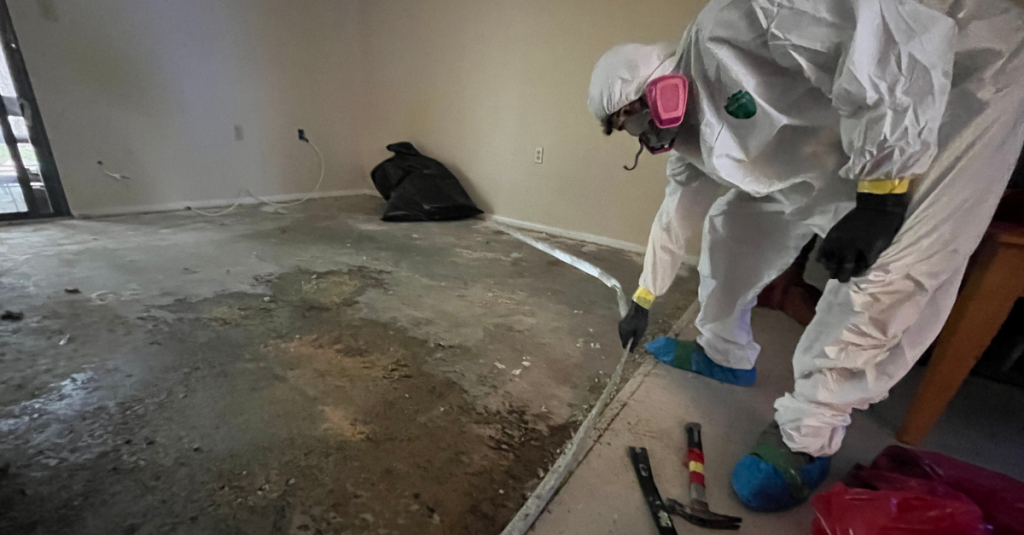
- 2. We Use Industry-Leading Safety Gear: Our techs wear fit-tested, full-face respirators and sealed Tyvek suits to avoid bringing spores into clean areas. No shortcuts. Every team member is trained to maintain a contamination free zone.
- 3. We Invest in Weekly Training: Our crews stay sharp. Every week, they receive updates on mold remediation standards, safety protocols, and emerging threats like new mycotoxin strains.
- We deploy the same high standards on every job, regardless of its size.
- We invest in client safety first, even when it doesn’t improve our margins.
- We act with urgency, clarity, and integrity — because that’s how we’d want our own homes treated.
How to Pick the Right Mold Remediation Company
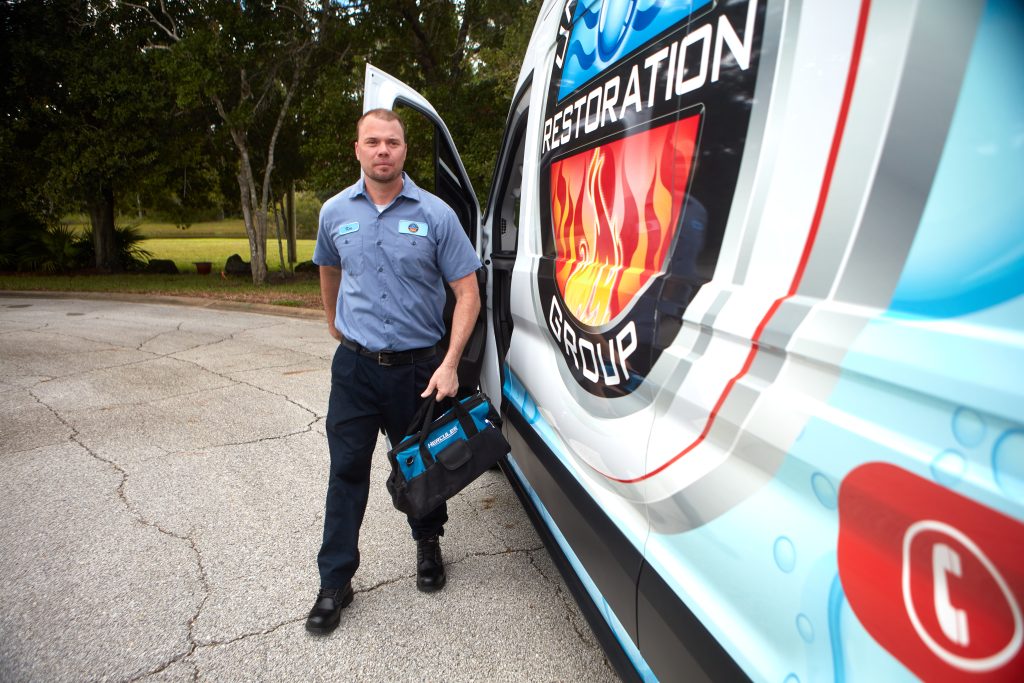
How to Pick the Right Mold Remediation CompanyHiring the wrong mold remediation company can lead…
When Should You Hire a Mold Remediation Company in Daytona Beach?
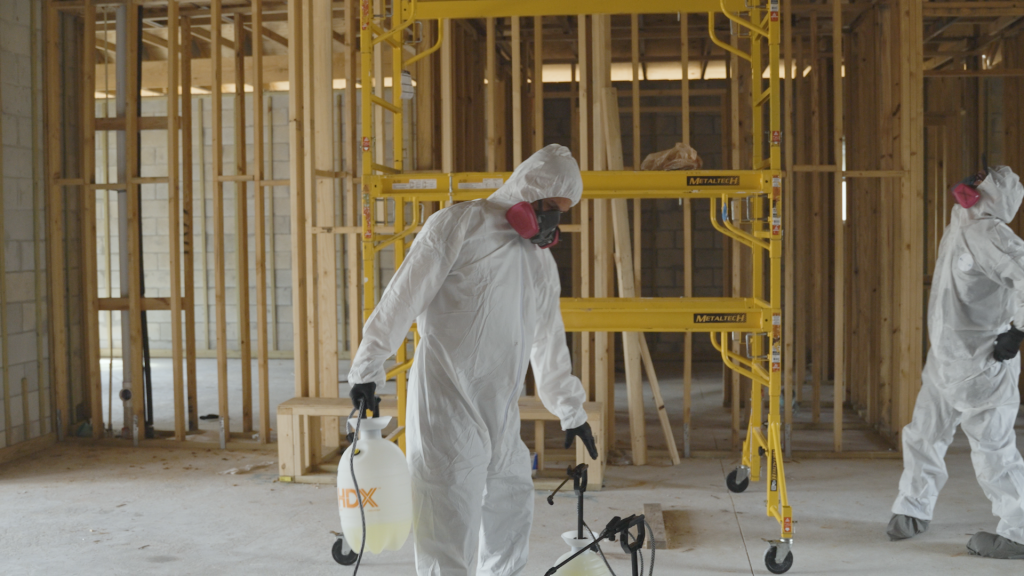
When Should You Hire a Mold Remediation Company in Daytona Beach?Mold isn’t just a surface…
How Much Does Mold Remediation Cost in Daytona Beach?
How Much Does Mold Remediation Cost in Daytona Beach?In Daytona Beach, mold remediation typically costs…
What Are Mycotoxins and Why Mold Removal Matters in Daytona Homes
What Are Mycotoxins and Why Mold Removal Matters in Daytona HomesDaytona Beach’s warm, salty air…
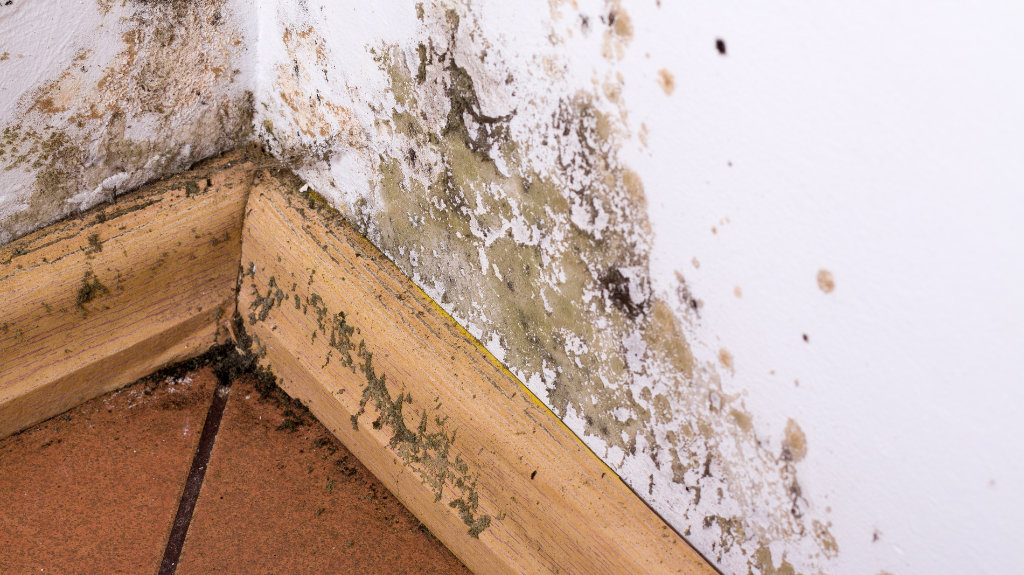
Top 5 Mold Myths vs. Reality
Debunking the Most Common Mold Myths Mold is a common household concern that often elicits…
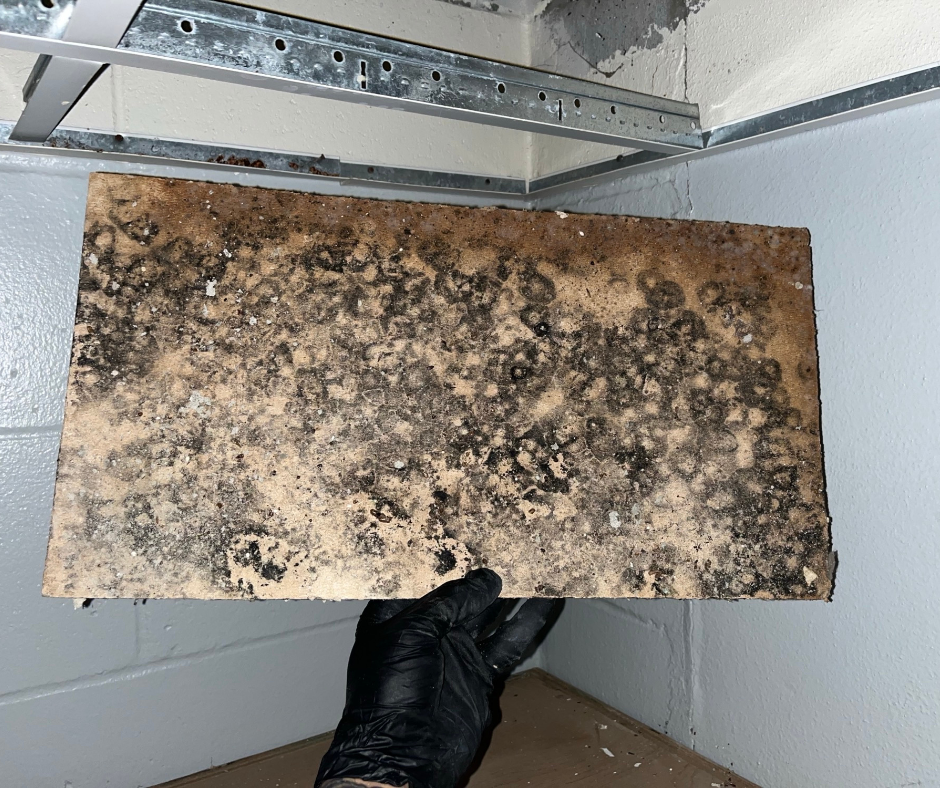
The Dangers of Mold In Walls
Why You Need Remediation for Mold In Walls Mold, a silent intruder, often lurks hidden…