


Insurance claim support: Top 1 Expert Guide
Why Insurance Claim Support Matters After Property Damage
Insurance claim support is professional assistance that helps property owners steer the complex process of filing and settling insurance claims after damage from water, fire, storms, or other disasters. When disaster strikes your Daytona Beach home or business, you don’t have to face the insurance process alone.
Quick Answer: What Insurance Claim Support Includes
- Immediate guidance on documenting damage and protecting your property
- Help understanding your policy coverage, deductibles, and exclusions
- Assistance filing claim forms and gathering required documentation
- Communication support with insurance adjusters throughout the process
- Advocacy if your claim is denied, delayed, or undervalued
- Professional restoration services that work directly with your insurer
The numbers tell the story: U.S. property and casualty insurers paid out $275.4 billion in claims in 2022, according to the Insurance Information Institute. With the average homeowners claim reaching $14,550 in 2023, understanding how to get proper support through the claims process can make a significant financial difference.
Been in a collision? Has your home been burglarized? Was your business damaged by water? You’ll want to get things back to normal as quickly as possible. But the path from disaster to recovery involves complicated paperwork, strict deadlines, and insurance company procedures that can feel overwhelming when you’re already stressed.
The claims process varies depending on your situation. Auto, home, and business claims each have specific requirements and procedures. Your insurance policy is a legally binding contract with specific terms, conditions, exclusions, and deductibles that determine what’s covered and how much you’ll receive. An insurance adjuster will examine your claim to determine eligibility and coverage limits, but their assessment may not always reflect the full extent of your damage or needs.
I’m Norbert Vasko, and while my background is in digital strategy and content, I’ve helped local businesses and homeowners communicate their needs effectively during crisis situations—which is exactly what Insurance claim support requires. Through clear documentation and strategic communication, you can maximize your claim outcome and speed up your recovery.
First Steps After a Loss: Securing Your Property and Documenting Damage
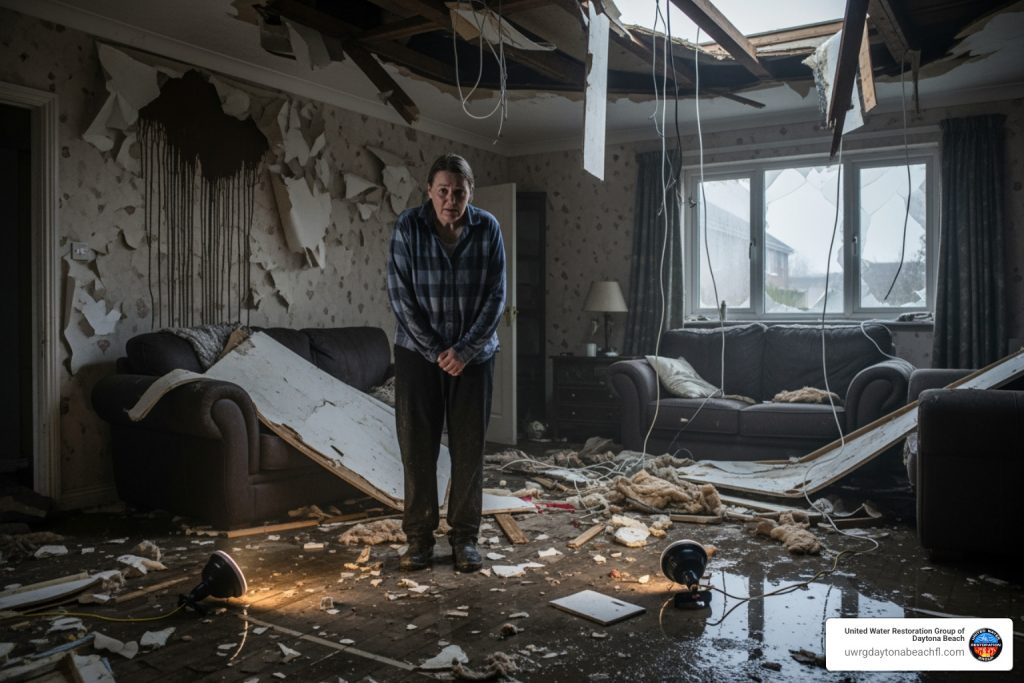
When disaster strikes your property, be it a burst pipe in your Deltona home or storm damage to your Orange City business, the moments immediately following the event are crucial. Taking the right actions can significantly impact your insurance claim’s success and prevent further damage. Our primary goal is to help you steer these initial, often chaotic, steps.
What should you do immediately after a loss to protect your property and document damage?
First and foremost, ensure everyone’s safety. Once the immediate danger has passed, your next priority is to prevent further damage to your property. This is called “mitigation,” and it’s a critical step your insurance company expects you to take. For instance, if a storm has damaged your roof in Palm Coast, covering it with a tarp can prevent rain from causing extensive water damage inside. This proactive measure not only protects your property but also shows your insurer that you’re responsible and taking steps to minimize their payout (which is a good thing for everyone!).
Remember to keep meticulous records of any expenses incurred for these temporary repairs. Save all receipts for materials like tarps, plywood, or even a temporary fence. These costs are often reimbursable as part of your claim.
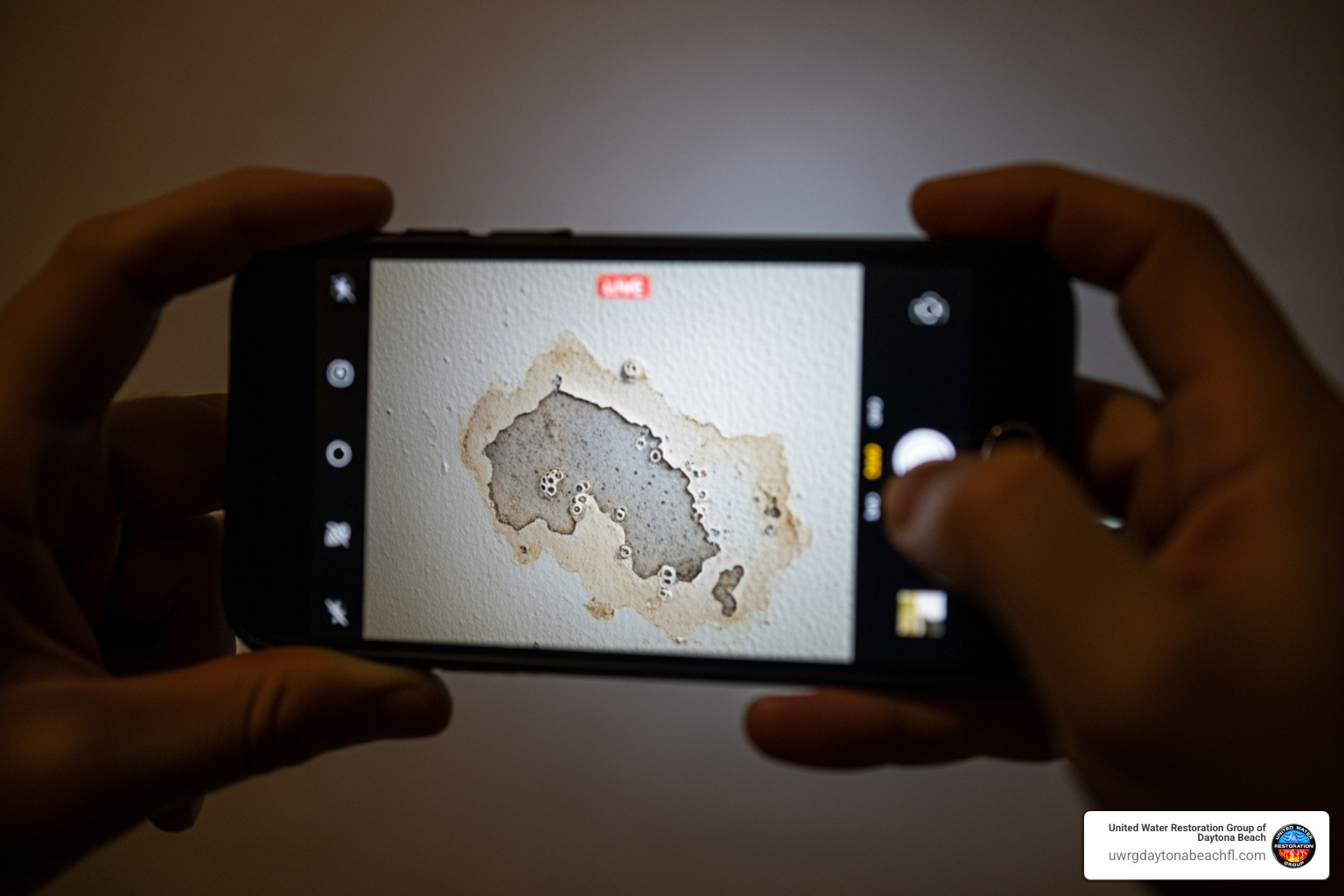
Creating a detailed inventory of all damaged items is also paramount. Walk through your property, room by room, and document everything. This means taking abundant photos and videos of the damage from various angles, capturing both the broad scope and close-up details. Don’t be shy with your camera; the more evidence, the better. Consider using a home inventory app to organize your list, noting brand names, models, and approximate purchase dates. If you have original receipts, fantastic! If not, don’t worry—photos and descriptions will still be incredibly helpful.
Throughout this process, keep a log of all communications with anyone involved, including emergency services, contractors, and your insurance provider. Note down names, dates, times, and a summary of conversations. This log becomes an invaluable resource if any disputes arise later. For a comprehensive guide on residential property claims, you might find resources like this Residential Property Claims Guide helpful, as many of the best practices are universal, even if the specific regulatory bodies differ by state.
Protecting Your Property
After a loss, your home or business might be vulnerable. In our service areas like Daytona Beach or New Smyrna Beach, we often see homes damaged by storms. If windows are broken, boarding them up is essential to prevent looting and further weather damage. For roof damage, tarping can be a lifesaver. If water lines are compromised, turning off the main water supply can prevent a small leak from becoming a catastrophic flood.
A crucial piece of advice: do not dispose of damaged items until your insurance adjuster has had a chance to inspect them. While it might be tempting to clean up immediately, waiting ensures that all damage is properly assessed. Our team at United Water Restoration Group of Daytona Beach specializes in emergency restoration, and we can guide you on what needs immediate attention versus what can wait for the adjuster. For example, addressing water damage promptly is vital to prevent secondary issues like mold growth, which can become a bigger problem if not handled quickly and correctly.
Documenting Everything for Your Claim
When we talk about insurance claim support, documentation is the backbone. Imagine trying to remember every single item in your Bunnell home after a fire. It’s nearly impossible under stress! That’s why making detailed lists of losses, down to the brand name and estimated value, is so important.
If you had a home inventory system before the loss, now’s the time to use it. If not, start from scratch, using your photos and videos as your guide. Try to find any original receipts for high-value items. This documentation helps your insurer understand the full extent of your loss and helps us, as your restoration partner, provide accurate estimates for repairs and replacements. Every phone call, every email, every meeting related to your claim should be logged. This meticulous record-keeping can be your best friend if you ever need to dispute a settlement or recall specific details.
Filing Your Claim: Understanding Your Policy and Submitting Paperwork
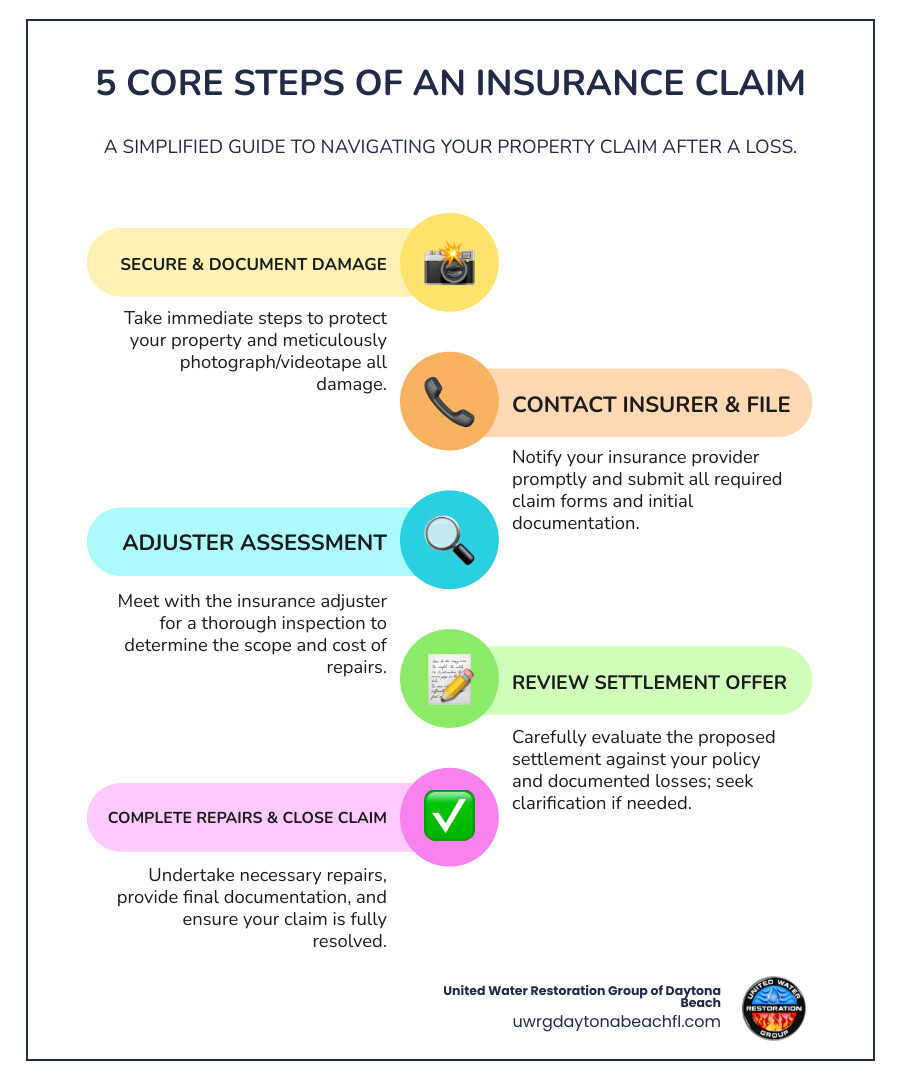
Once your property is secure and the initial documentation is underway, the next critical step is to formally file your claim. This is where understanding your insurance policy truly comes into play. It can feel like reading a foreign language, but we’re here to help translate.

The general steps involved in filing an insurance claim typically begin with contacting your insurer as soon as possible after the loss. Most insurance companies, including those serving Ormond Beach and Deland, have time limits, usually ranging from 90 days to 12 months, within which you must submit your claim. Having your policy number handy will expedite the process. Your insurer will then guide you on specific claim forms and required documentation. For more on payment options related to restoration services, you can visit our Payment Options page.
Decoding Your Insurance Policy
Your insurance policy is a contract, and it outlines exactly what is, and isn’t, covered. Key terms to understand include:
- Policy Coverage: This specifies the perils (e.g., fire, wind, water damage from a burst pipe) that your policy protects against. It also details the limits of that coverage—the maximum amount your insurer will pay for a particular loss.
- Exclusions: These are specific events or types of damage that your policy does not cover. For example, standard homeowners policies in Florida typically exclude flood damage, which requires a separate flood insurance policy. Damage caused by a lack of maintenance, like a leaky roof ignored for years, is also usually excluded.
- Deductibles: This is the amount you, the policyholder, are responsible for paying out-of-pocket before your insurance coverage kicks in. For example, if you have a $1,000 deductible and your repair costs are $5,000, your insurer will pay $4,000 after you pay the first $1,000. Sometimes, if the damage is less than your deductible, it might not be worth filing a claim at all.
How can you determine if a specific loss or event is covered by your policy? The best way is to read your policy thoroughly or speak directly with your insurance agent or a trusted insurance claim support professional. They can explain the nuances of your coverage.
Another critical distinction in claims settlement is between Replacement Cost Value (RCV) and Actual Cash Value (ACV). This affects how much you’ll receive for damaged property:
| Feature | Replacement Cost Value (RCV) | Actual Cash Value (ACV) |
|---|---|---|
| Definition | Pays to replace a damaged item with a new one of similar kind and quality, without deducting for depreciation. | Pays the replacement cost minus depreciation (wear and tear, age). |
| Payout | You receive the amount needed to buy a brand-new equivalent item. | You receive the current market value of the item, considering its age and condition. |
| Example | An 8-year-old washing machine destroyed in a fire is replaced with a new model. | An 8-year-old washing machine destroyed in a fire is replaced with what its depreciated value would be. |
| Impact | Generally results in a higher payout, allowing you to fully restore your property. | Results in a lower payout, as you effectively share the cost of replacement due to depreciation. |
Finally, let’s talk about Additional Living Expenses (ALE). If a covered loss makes your home uninhabitable, your homeowners policy may cover the extra costs you incur while living elsewhere. This “loss of use” coverage can include hotel stays, temporary housing, meals above your normal spending, and even relocation costs. It’s designed to maintain your normal standard of living as much as possible during the recovery period. Make sure to keep all receipts for these expenses!
Finding and Submitting the Right Forms
Gone are the days when you had to hunt down physical forms for every insurance claim. Many insurers now offer convenient ways to submit claims and find forms. Most companies have online portals where you can initiate a claim, upload documents, and track its status. For example, some insurance providers use platforms similar to this Online Portal to streamline the process. You can often download specific claim forms directly from your insurer’s website.
What documentation is typically required when filing a claim? While it varies by claim type and insurer, common documents include:
- Claim Forms: Provided by your insurer, these officially start the claim process.
- Proof of Loss Form: A formal statement from you to the insurer detailing the loss and the amount you’re claiming.
- Photos and Videos: Visual evidence of the damage.
- Detailed Inventory Lists: For damaged personal property.
- Receipts for Temporary Repairs: Proof of your mitigation efforts.
- Police Reports: For claims involving theft, vandalism, or auto accidents.
- Death Certificates: For life insurance claims.
Our team at United Water Restoration Group of Daytona Beach understands these requirements and can assist you in gathering and organizing the necessary paperwork, making sure your submission is complete and accurate.
Navigating the Process with Professional Insurance Claim Support
Filing a claim is just the beginning. The real journey involves careful communication and understanding the roles of various parties, especially the insurance adjuster. This is where having professional insurance claim support can truly make a difference, helping you feel less like you’re lost at sea and more like you’re on a guided tour.
The claims journey involves several steps after you submit your initial paperwork. You’ll likely communicate with your insurer, provide additional information, and eventually receive a settlement offer. How can you track the status of your insurance claim? Many modern insurers offer mobile apps or online portals that allow you to monitor your claim’s progress, upload new documents, and communicate with your assigned adjuster. This digital convenience can be a real time-saver, letting you check updates from your phone in Edgewater or your laptop in Debary. You can learn more about how we help with this process on our Navigating Insurance Restoration Claims page.
The Role of the Insurance Adjuster
The insurance adjuster is a key figure in your claims process. What is the role of an insurance adjuster? They are professionally trained individuals tasked with assessing the damage to your property, determining the cause of loss, and evaluating the extent of your coverage based on your policy. Their job is to examine the claim and determine eligibility and coverage.
There are generally three types of adjusters:
- Company Adjuster: Employed directly by your insurance company. Their primary responsibility is to their employer.
- Independent Adjuster: Hired by your insurance company on a contract basis, especially during large-scale disasters or when their staff adjusters are overwhelmed. They also represent the insurer’s interests.
- Public Adjuster: Hired directly by you, the policyholder. A public adjuster advocates solely for your interests, helping you document your losses, negotiate with the insurer, and maximize your settlement. They typically charge a percentage of your settlement.
When an adjuster inspects your property (whether it’s in Port Orange or Jacksonville), they will create a “scope of loss.” This is a detailed document outlining the damage, the materials needed for repair, and the estimated labor. A scope of loss differs from a contractor’s estimate. The scope is the adjuster’s assessment of what needs to be repaired, while an estimate is a contractor’s bid for the cost of those repairs. Sometimes, the adjuster’s initial scope might overlook damage or undervalue the necessary repairs, which is why your thorough documentation is so important.
When dealing with an adjuster, be polite but firm. Provide all your documentation, walk them through the damage, and point out anything you believe they might miss. Don’t be afraid to ask questions and clarify anything you don’t understand.
Differences in the Claims Process
While the core principles of documenting and reporting remain, the claims process can differ significantly depending on the type of insurance:
- Home Insurance Claims: These often involve extensive property damage, requiring assessments of structural integrity, personal belongings, and potential additional living expenses. For example, a fire in your Daytona Beach home would involve detailed inventories of contents, structural assessments, and possibly temporary relocation.
- Auto Insurance Claims: These are typically more focused on vehicle damage, accident reports, and liability. If you’re involved in a fender bender in Palm Coast, your auto claim will involve police reports, body shop estimates, and potentially rental car coverage. The Insurance Information Institute provides a helpful guide on How to file an auto insurance claim.
- Business Insurance Claims: These can be highly complex, covering property damage, business interruption, liability, and even specialized equipment. A storm damaging a business in Ormond Beach might not only require property repairs but also compensation for lost income during the closure. These claims often demand more detailed financial documentation.
Each type of claim has specific requirements and procedures. For instance, auto claims may use mobile apps to visually re-create accident events, while home claims focus more on detailed property inventories. Understanding these nuances is a key part of effective insurance claim support.
When Things Go Wrong: Handling Denials, Delays, and Disputes
Even with the best preparation, sometimes things don’t go as smoothly as we’d like. A denied claim, a delayed payment, or a low settlement offer can feel incredibly frustrating, especially when you’re already dealing with the aftermath of a disaster. But remember, you have rights, and there are steps you can take to advocate for a fair outcome.
Steps to Take if Your Claim is Denied or Delayed
If your claim is denied or payment is delayed, don’t panic. Here’s what we recommend:
- Request the Denial in Writing: Always ask your insurance company for a formal denial letter explaining the exact reasons for their decision, citing specific policy language. This is your starting point for understanding their position.
- Speak to a Claims Manager: If you disagree with the denial or the reasons provided, contact the claims department and ask to speak with a supervisor or manager. Politely explain your case, referring to your policy and your documentation. Sometimes, a fresh pair of eyes can resolve the issue.
- Escalate the Issue: If speaking to a manager doesn’t yield results, you may need to escalate further. While an organization like the Insurance Bureau of Canada provides guidance for Canadian policyholders, in Florida, you would typically turn to our state’s regulatory body.
Insurance is a legally binding contract, and you have a right to a fair assessment of your claim.
Where to Find Help with Insurance Claim Support and Disputes
If you’ve exhausted your options with the insurance company directly, several avenues exist to help resolve disputes or get the assistance you need:
- Company Ombudsperson: Many larger insurance companies have an internal ombudsperson’s office dedicated to resolving customer complaints and disputes. This can be an impartial third party within the company structure. For life and health insurance in Canada, for example, policyholders can contact the OmbudService for Life and Health Insurance (OLHI) to assist with disputes or even to search for lost policies. While the OLHI is Canadian, it illustrates the concept of such consumer protection services.
- State Department of Insurance: In Florida, the Florida Department of Financial Services (DFS), specifically the Division of Consumer Services, is your primary resource. They regulate insurance companies, investigate complaints, and can mediate disputes between policyholders and insurers. They ensure companies adhere to fair claims settlement practices and statutes like Florida’s Unfair Insurance Trade Practices Act.
- Mediation Programs: Your policy might include provisions for independent appraisal or arbitration if you and your insurer can’t agree on a settlement amount. These are formal processes where a neutral third party helps facilitate a resolution.
- Legal Counsel: If all other avenues fail, consulting an attorney specializing in insurance law might be necessary. They can review your case, advise on your legal rights, and represent you in negotiations or litigation.
Navigating these steps requires persistence and knowledge, which is precisely why professional insurance claim support is so valuable. We can help you understand your rights and guide you through the process, ensuring your voice is heard.
Frequently Asked Questions about Insurance Claims
We get a lot of questions from property owners in Daytona Beach, Palm Coast, and across Florida about their insurance claims. Here are some of the most common ones:
What is the difference between Replacement Cost (RCV) and Actual Cash Value (ACV)?
This is a fundamental distinction that significantly impacts your payout. Replacement Cost Value (RCV) policies pay to replace your damaged property with a new item of similar kind and quality, without deducting for depreciation. So, if your 8-year-old washing machine is destroyed, RCV would pay for a brand new one.
Actual Cash Value (ACV), on the other hand, pays the replacement cost minus depreciation. Using the same example, an 8-year-old washing machine would be worth significantly less than a new one due to its age and wear and tear. ACV only pays that depreciated value. Your policy type determines which method your insurer will use for settlement.
What should I do immediately after my property is damaged?
Your safety is always the first priority. Once everyone is safe, take immediate steps to prevent further damage. This might mean tarping a damaged roof, boarding up broken windows, or turning off your main water supply if there’s a burst pipe. Document everything with photos and videos, and start making a detailed list of all damaged property. Then, contact your insurance provider as soon as possible to report the loss and initiate your claim.
Are Additional Living Expenses (ALE) covered by my homeowners policy?
Yes, if your home becomes uninhabitable due to a covered loss (like a fire or severe storm damage), your homeowners policy typically includes coverage for Additional Living Expenses (ALE). Also known as “Loss of Use,” this coverage helps pay for the increase in living costs you incur while your home is being repaired. This can include expenses like hotel stays, temporary rental housing, and even the extra cost of meals that you wouldn’t normally have. It’s designed to maintain your usual standard of living. Always check your specific policy for the limits and duration of this coverage, and remember to keep all receipts!
Conclusion
Navigating the complexities of an insurance claim can feel like a daunting task, but you don’t have to face it alone. We’ve walked through the crucial steps, from securing your property and documenting damage to understanding your policy and knowing your rights when disputes arise. Empowerment through knowledge is key, and the right insurance claim support can make all the difference in your recovery journey.
Professional help, especially from restoration companies like United Water Restoration Group of Daytona Beach, is invaluable. We not only provide 24/7 emergency restoration services for water, fire, mold, and storm damage across Florida (including Daytona Beach, Ormond Beach, Bunnell, Debary, Deland, Deltona, Edgewater, New Smyrna Beach, Orange City, Palm Coast, Port Orange, and Jacksonville), but we also offer comprehensive insurance claim support. Our certified technicians work directly with your insurance company, assisting with all aspects of your claim, including Direct Insurance Billing to ensure a fast, reliable recovery for your home or business.
Don’t let the stress of a property disaster overwhelm you. With expert guidance, thorough documentation, and the right restoration partners, you can streamline your claims process and get back to normal quickly.